Sun and stones
Alignments
The main axis of the stones is aligned upon the solstitial axis.1
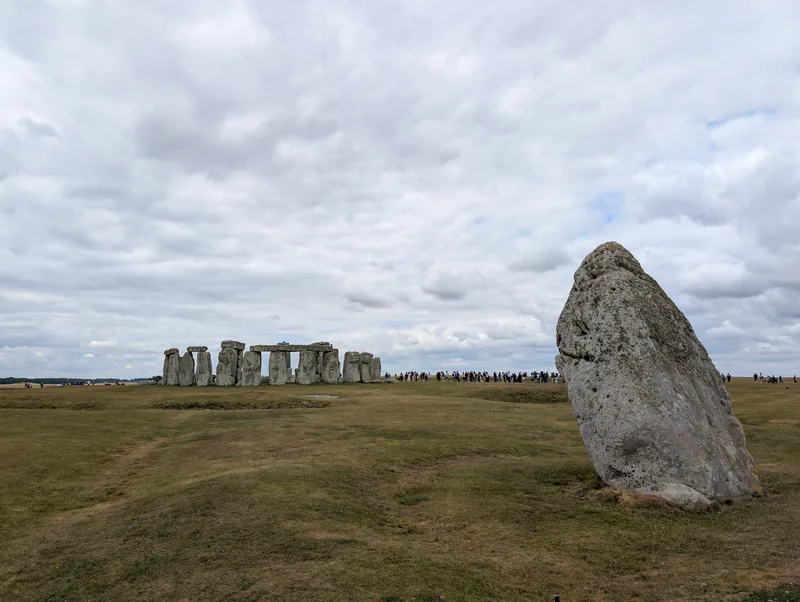
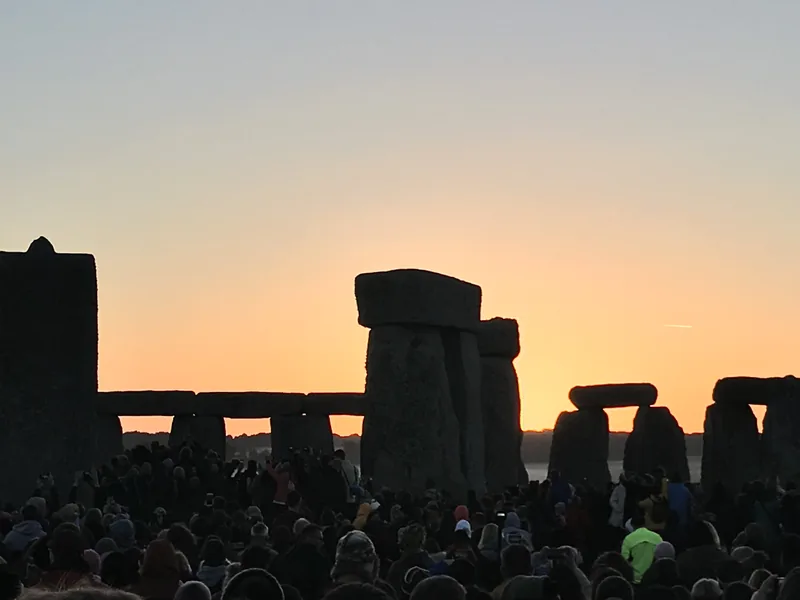
At midsummer, the sun rises over the horizon to the north-east, close to the Heel Stone.1 If you were to stand in the middle of the stone circle on Midsummer's Day, you would see the sun rise just to the left of the Heel Stone.2
At midwinter, the sun sets in the south-west, in the gap between the two tallest trilithons, one of which has now fallen.1
The whole layout of Stonehenge is therefore designed in relation to the solstices, which are the extreme limits of the sun's movement.2 English Heritage says Stonehenge is likely to have been much more than a calendar.2
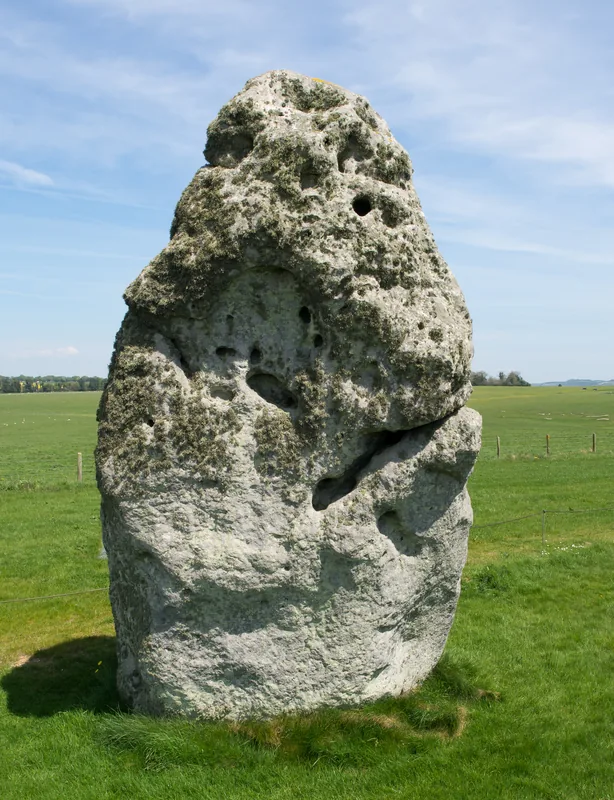
There were two original entrances to the enclosure: a wide one to the north-east and a smaller one on the southern side.1 Immediately outside the north-east entrance is the Heel Stone, a huge unshaped sarsen boulder.1
Whether it was used by the Druids (Celtic priests) is doubtful, but present-day Druids gather there every year to hail the midsummer sunrise.3
Alignment with the sun is not, by itself, a full account of why the monument was built. See why it was built.